6th Annual
October 17-18-19 – Lone Pine Airport, CA (O26)
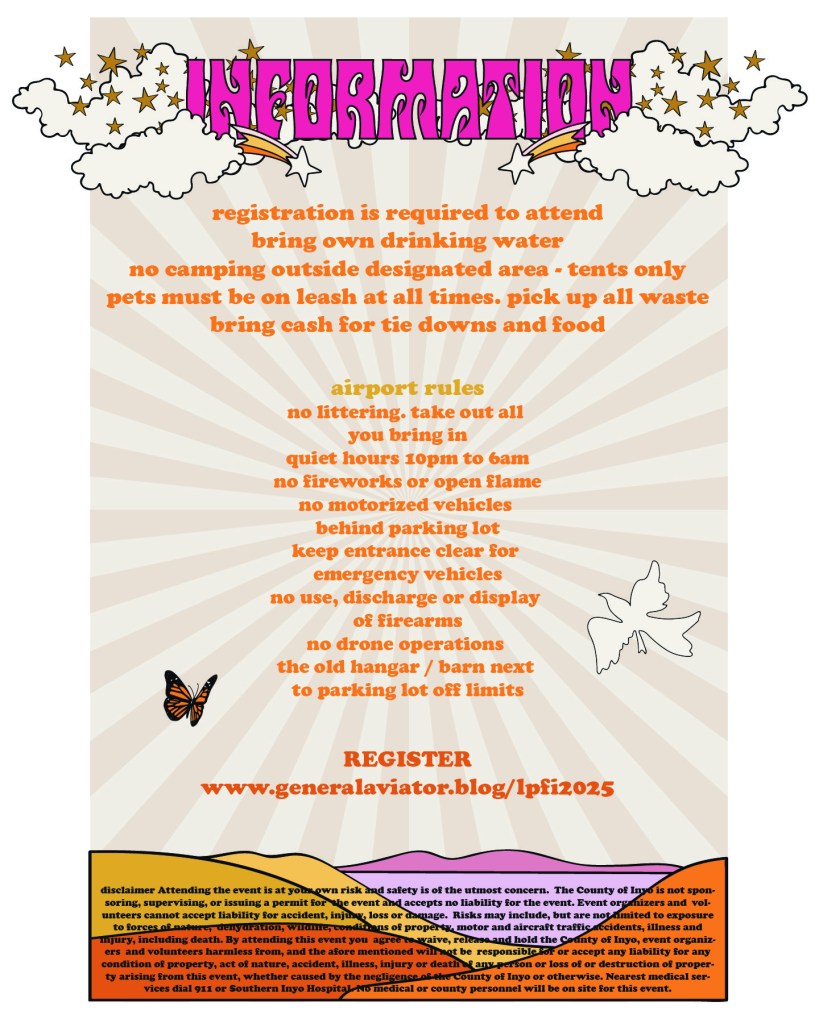
Online registration window openAugust 10 1700PDT – August 15 1700 PDT
>>>> Registration Closed <<<<
For those that missed the window, there is a waiting list. If selected pilots have to cancel, you may have a chance of being picked off the waitlist!
>>>>Waitlist Registration Here<<<
New for 2025: Due to high demand and limited capacity of this event, registering will place attendees in a lottery. Final selections will be communicated in late-August.
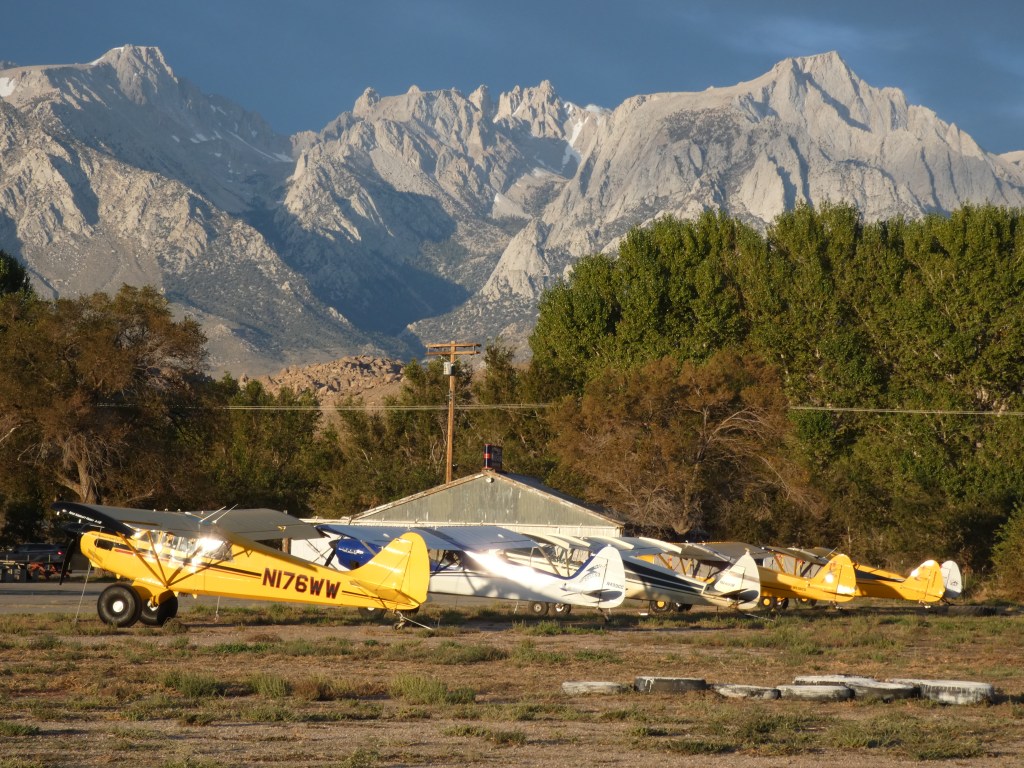
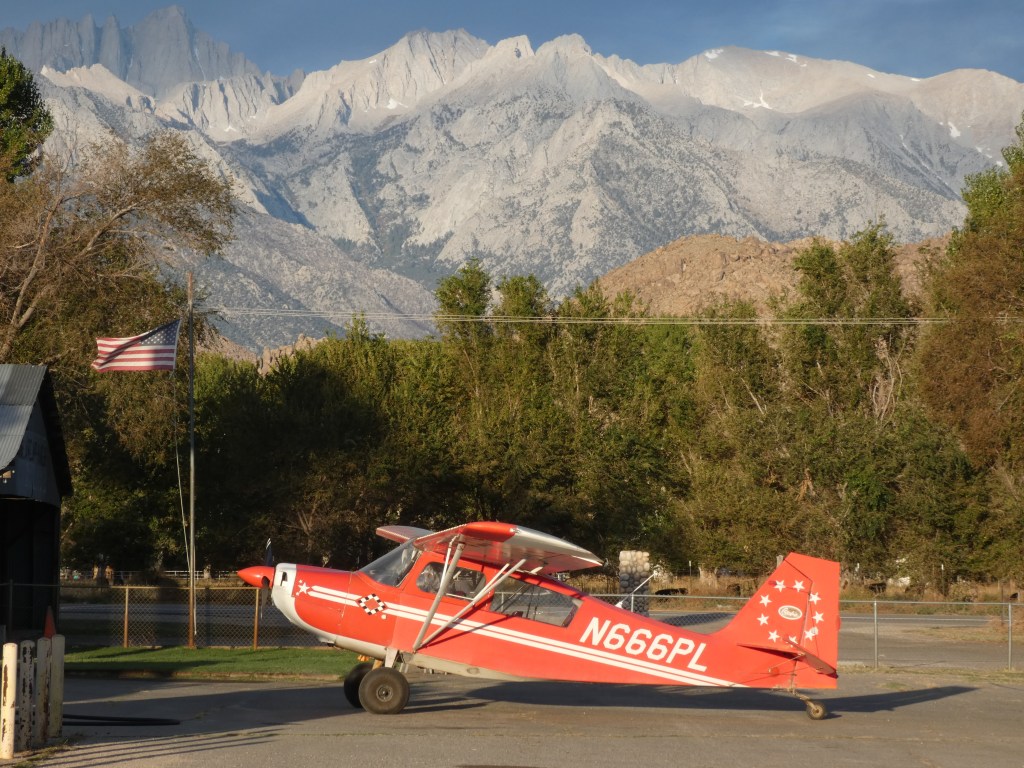
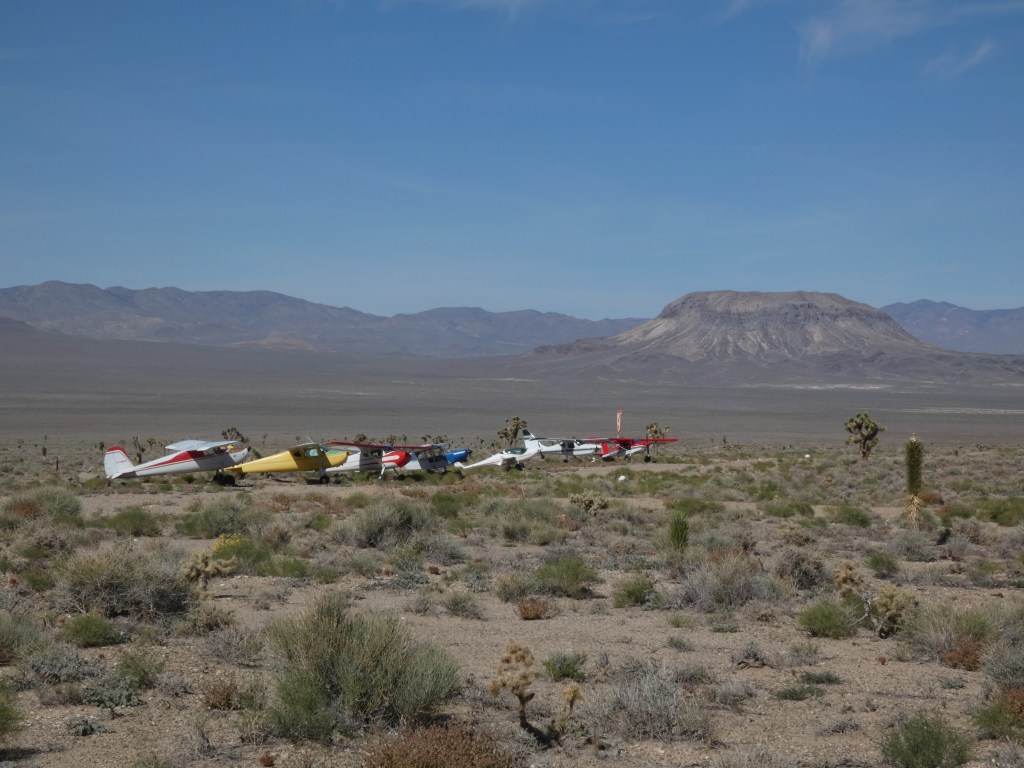
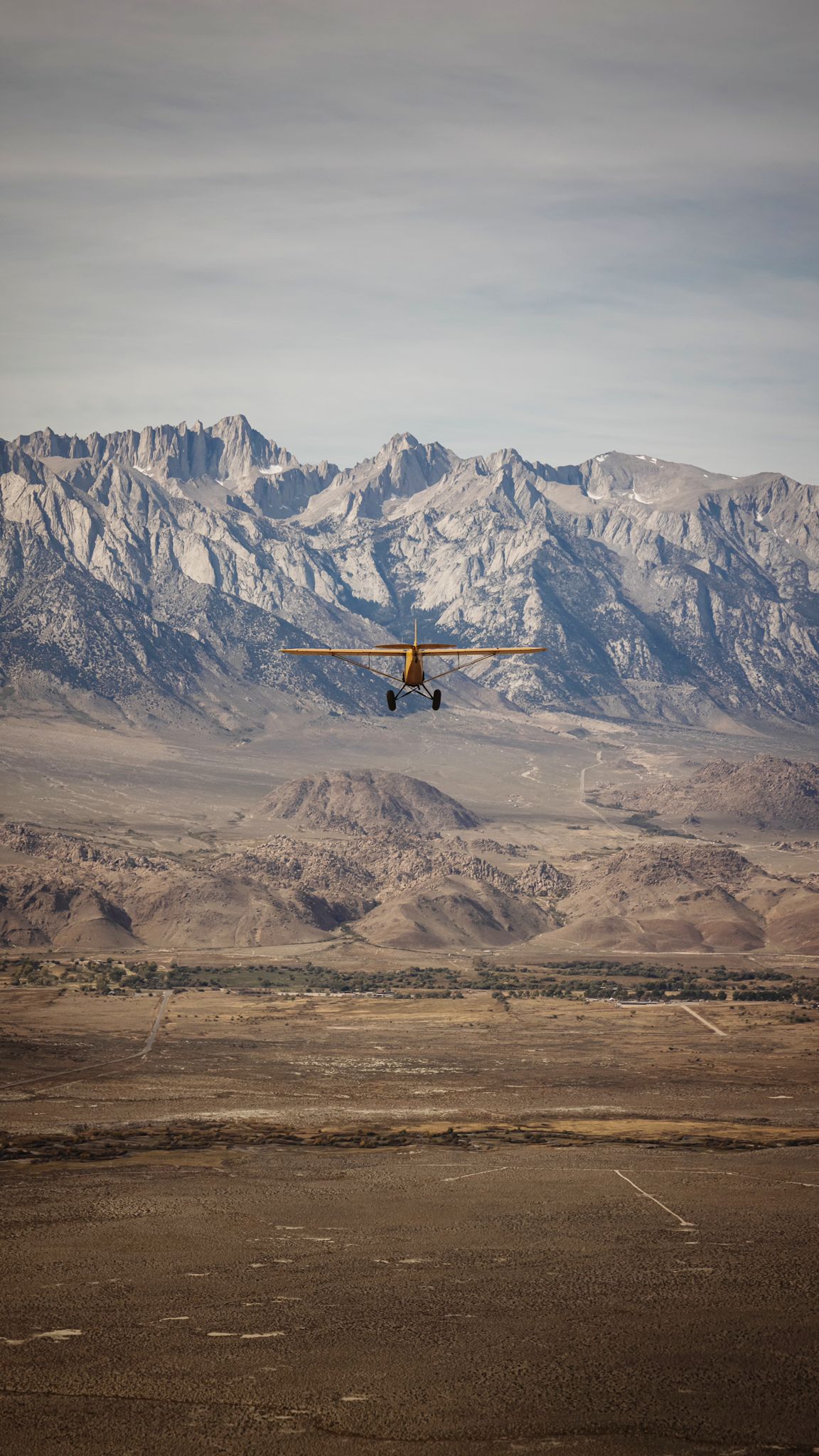
Fly into the beautiful Lone Pine Airport (O26), under the shadow of Mount Whitney, in California’s Owens Valley for this 6th annual weekend of aviation fellowship, local fly-outs, and fun. Come enjoy a different side of California—one that is less connected to the Pacific Coast and more connected culturally and geographically to the interior American West.
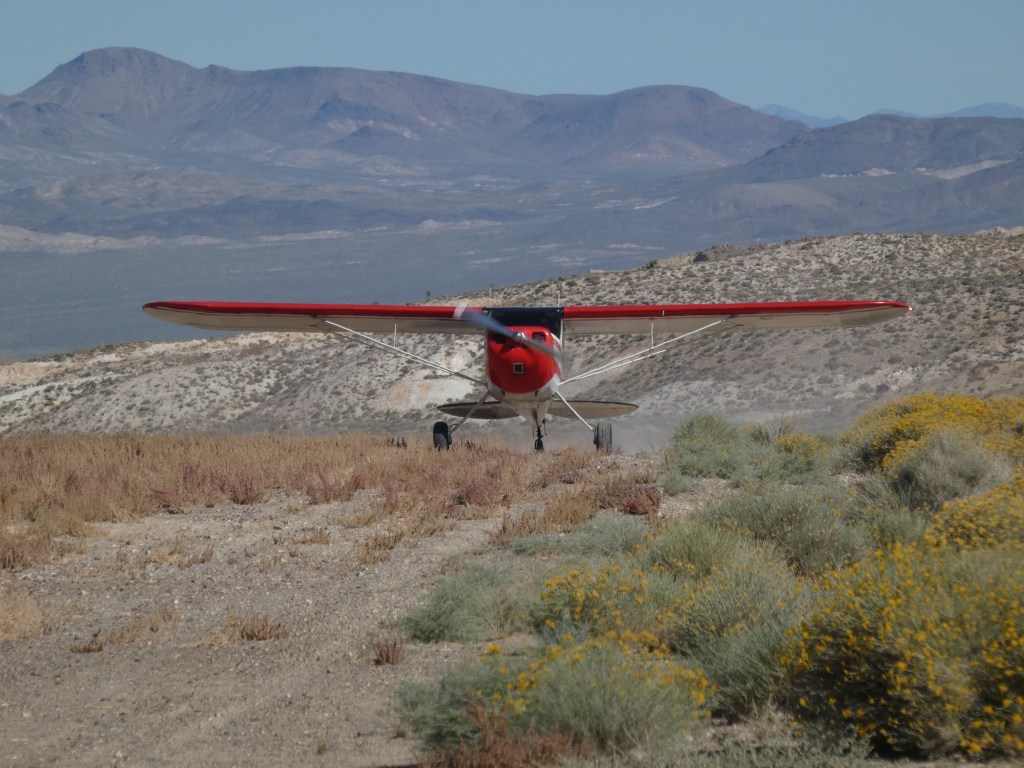
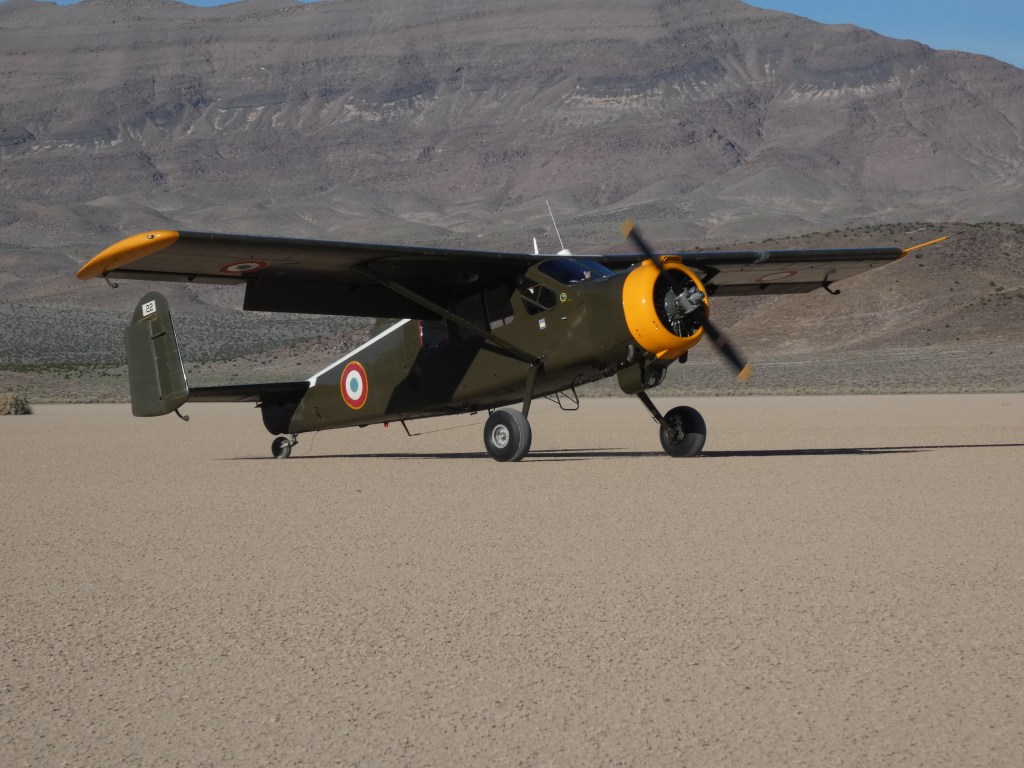
This backcountry-flying weekend is centered around camaraderie and flying. Uniquely, pilots attending have the chance to fly their planes on organized fly-outs to several of the dozens of remote backcountry airstrips that dot the surrounding region.
Official events and arrivals commence Friday 17th to allow time for pilots to register, set up camp, and familiarize themselves with Saturday’s fly-out adventure plans. Plan to be on deck in Lone Pine no later than 1600L on Friday to facilitate getting through the check-in process and to attend the mandatory fly-out briefing Friday night. The fly-outs will be tailored to aircraft and pilot abilities based upon the information provided in the online registration with final rosters assigned during the day Friday.
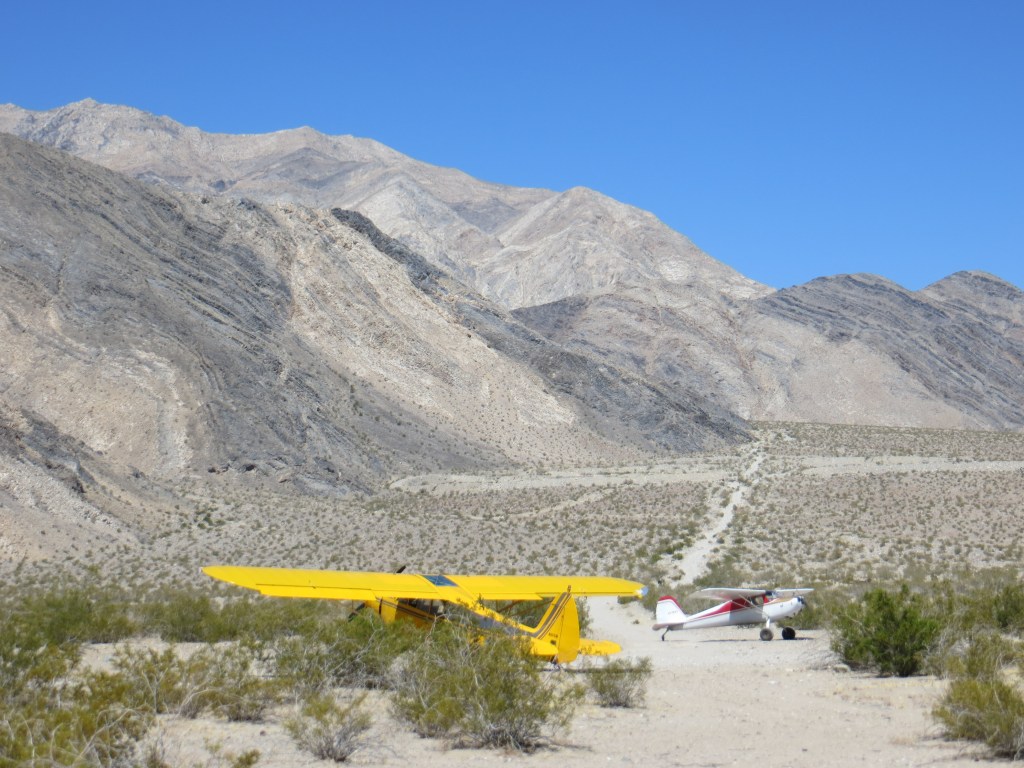
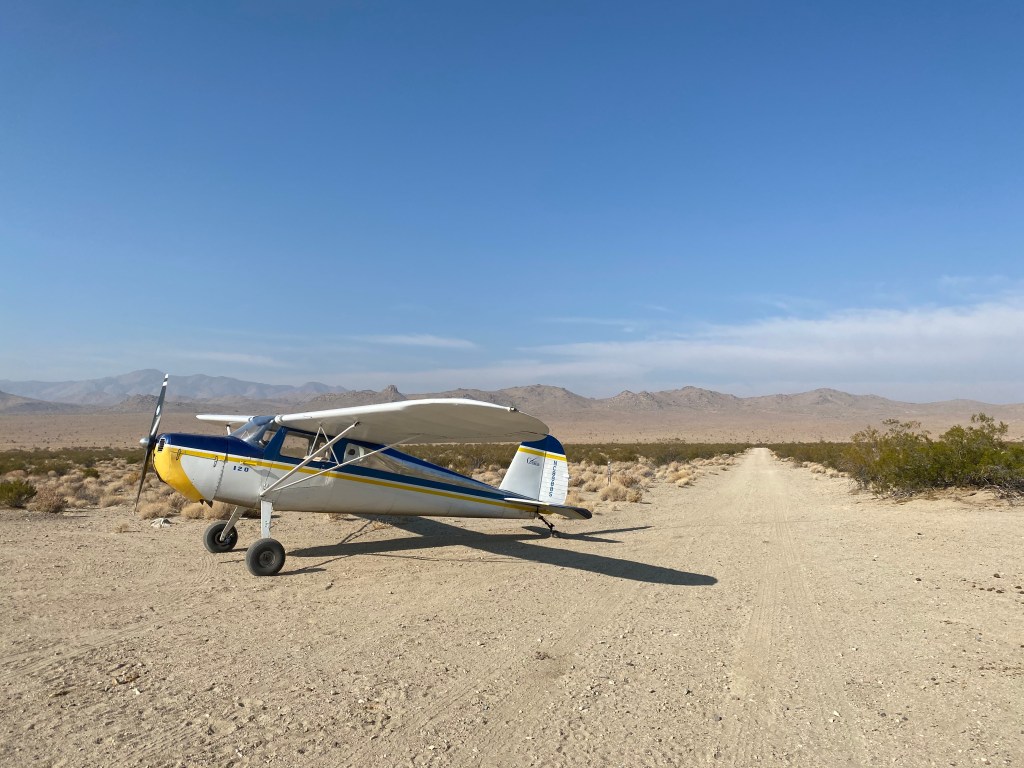
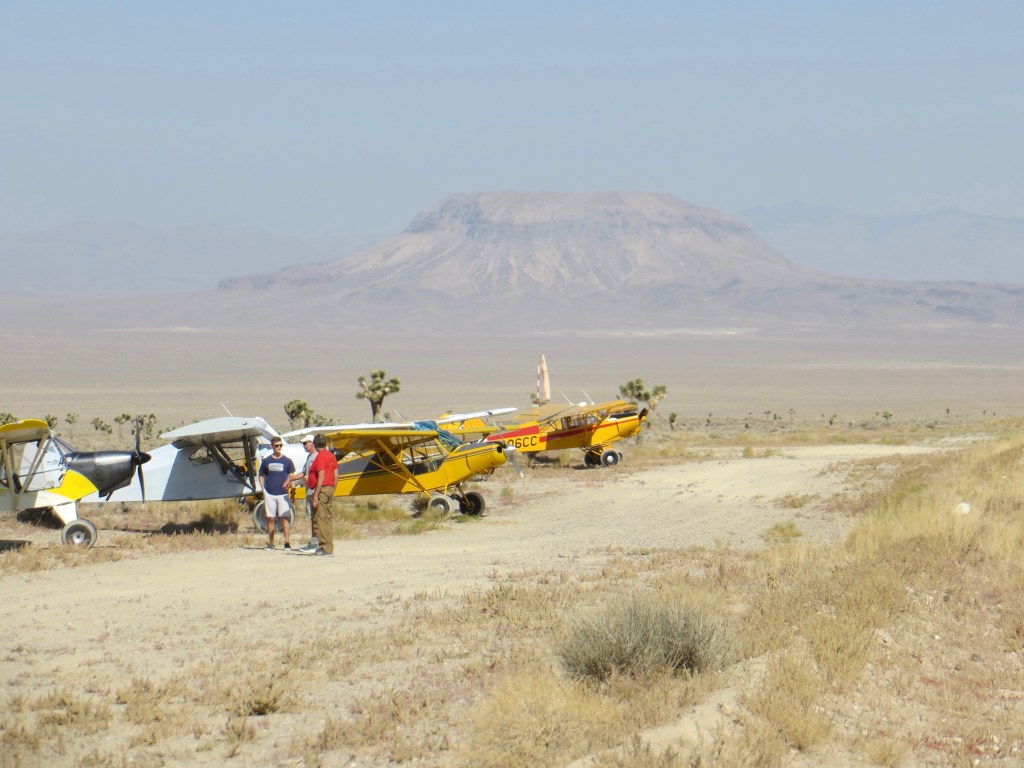
Early Saturday morning, fly-out groups led by local pilots will depart Lone Pine to each visit various desert and mountain airstrips. On these journeys pilots can learn about the local backcountry scene and experience the raw beauty and unique geography of the High Sierras, Death Valley, Mojave Desert, and Great Basin.
Saturday concludes with all groups returning to Lone Pine in the evening for debriefings, food, and camaraderie. Some groups may also elect to stop by Independence Airport (2O7) before returning to Lone Pine to enjoy localy made delicacies at the Eastern Sierra Ice Cream Company!
Sunday will be departure day. Lookout for announcements of potential “on your way home” mini fly-out adventures.



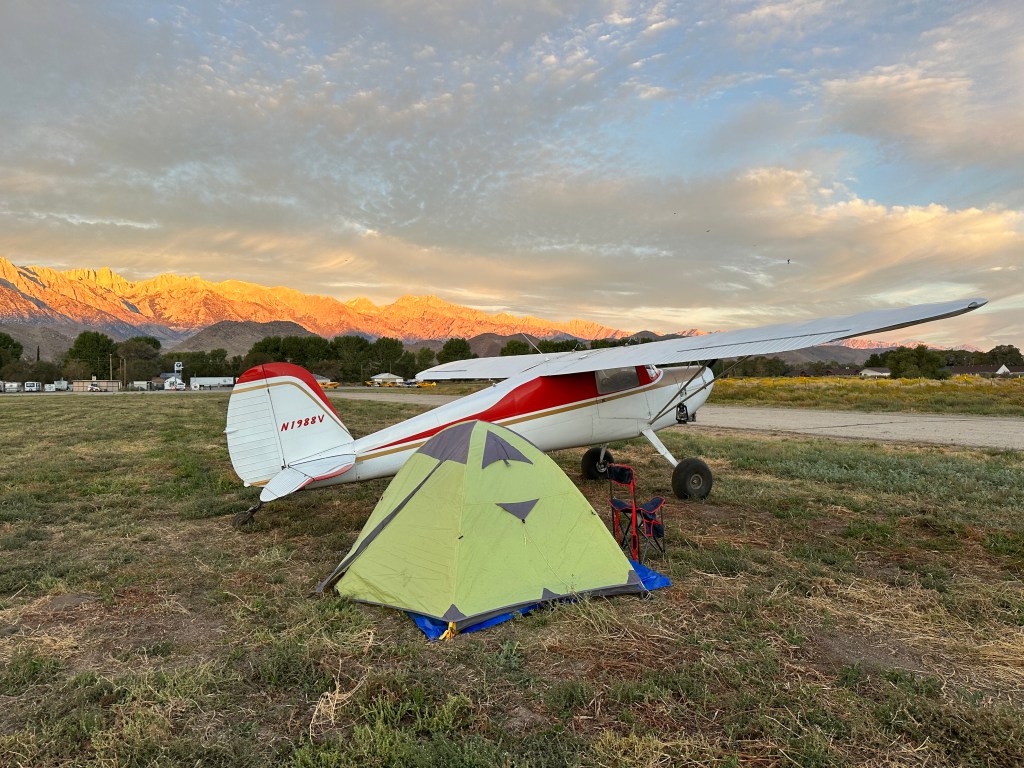
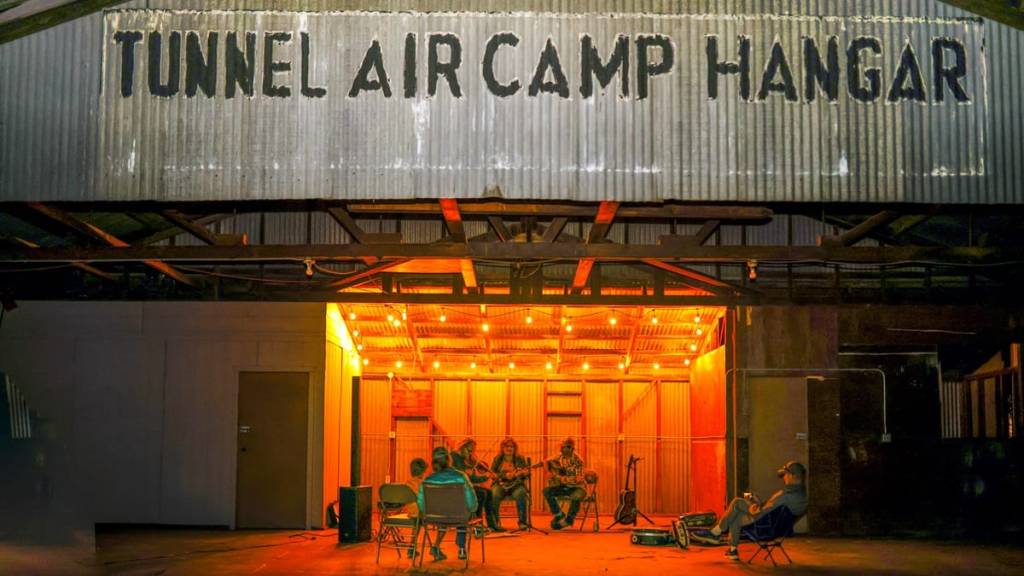


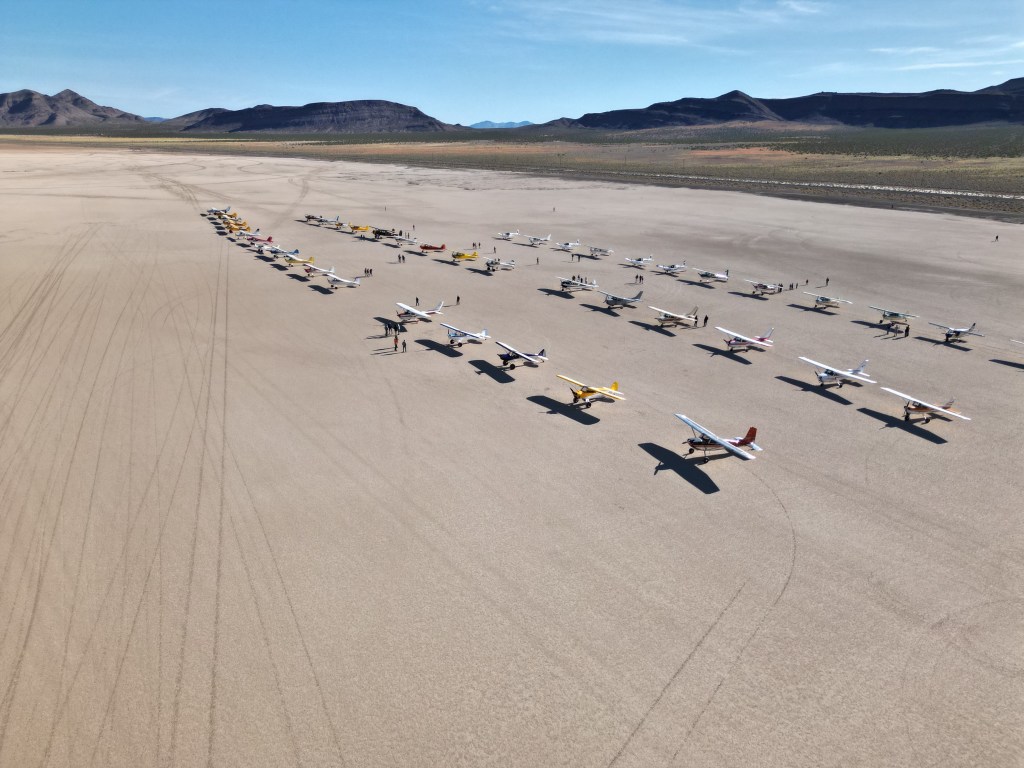
—- Additional Information —
Notional Schedule
—Friday 17th—
Morning till 1700 – Arrivals
1700 – End of Arrivals
1730 – End of Check-In Registration
1900 – Mass Briefing (Mandatory for all Fly-Out Pilots)
—Saturday 18th—
0715 – Fly-Out Departures begin!
0715-Mid Afternoon – Groups are on their Fly-Out adventures
1700 – Groups have all returned and de-briefed – time to relax, have dinner, and tell stories
—Sunday 19th—
Departures for home
Camping, Accommodations, and Food
The default option is to tent camp with your plane – this is a backcountry fly-in after all! Tent camping at the airport is dry camping adjacent to your plane in the various dirt and grass parking areas. It is the desert – things are sharp – so be prepared! There are proper flush restrooms on-field, but no potable water. No recreational vehicles or camper trailers, please.
Hotels are also available locally in Lone Pine and have traditionally offered attendees some discounts (call direct and ask!). All are within walkable distance (15-20 minutes). Some popular options:
- Best Western Frontier Motel – (760) 876-5571 – Adjoining the airfield
- Dow Villa Motel and Historic Dow Hotel – (760) 876-5521 – One Mile North
Food options for the event are:
- Friday – Dinner – Food Truck onsite at the airport!
- Saturday – Breakfast – On your own. We takeoff early so have a plan!
- Saturday – Lunch – Depends on fly-out group. Some may make a stop where lunch is available; others may not.
- Saturday – Dinner – Food Truck onsite at the airport!
- Sunday – Breakfast – On your own.
FAQ
Is this the right fly-in to attend?
This fly-in is very unique as it presents pilots with the chance to do a sort of flying that is outside the norms of the typical recreational pilot. Landing an airplane away from the consistent and predictable environment of a paved and maintained airport opens up a whole new set of skills and risks that challenge a pilot to perform at their best to safely and reliable fly there. The reward for using sharpened skills is the chance to go places few ever will and to see those places from both the air and the ground. The risks are many, most very mitigable, but all very real and not forgiving of slop, inexperience, or incompetence.
To safely operate in these places means being proficient at flying your airplane – being precise in your ability to land and hit your spot safely, and being aware of your surroundings enough to adapt to the new or unexpected things that come from being away from the pavement and operating close to other aircraft.
AOPA did an article covering the 2022 event, read it here – Once Upon a Time in the West
Do I need a bush plane?
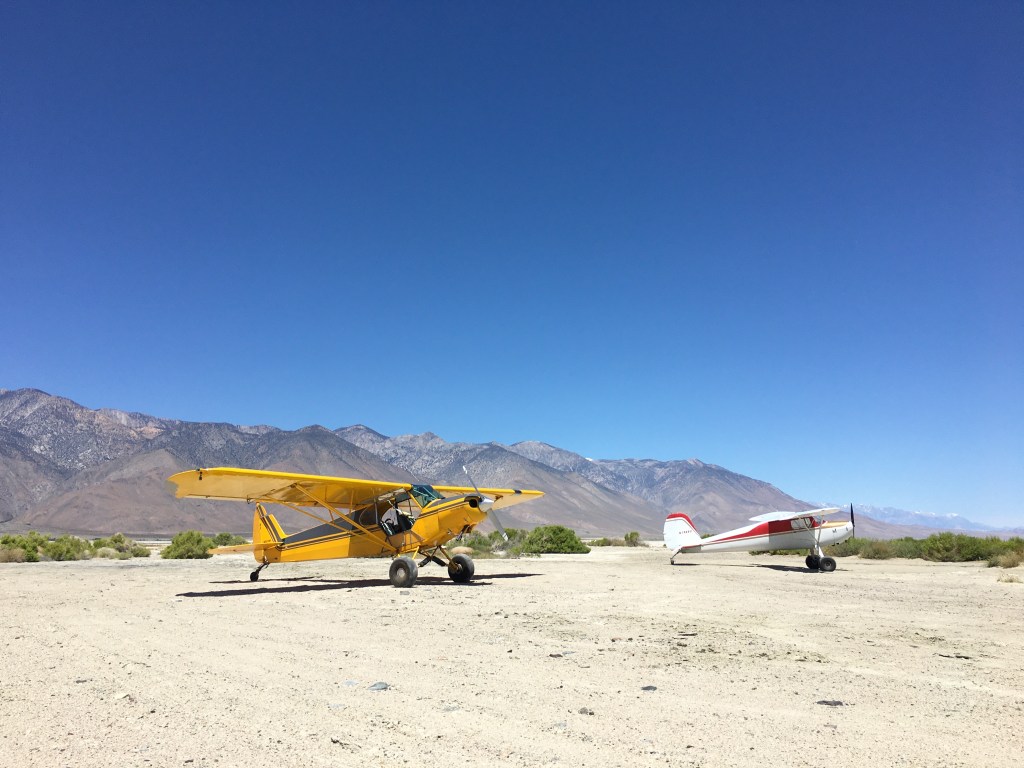
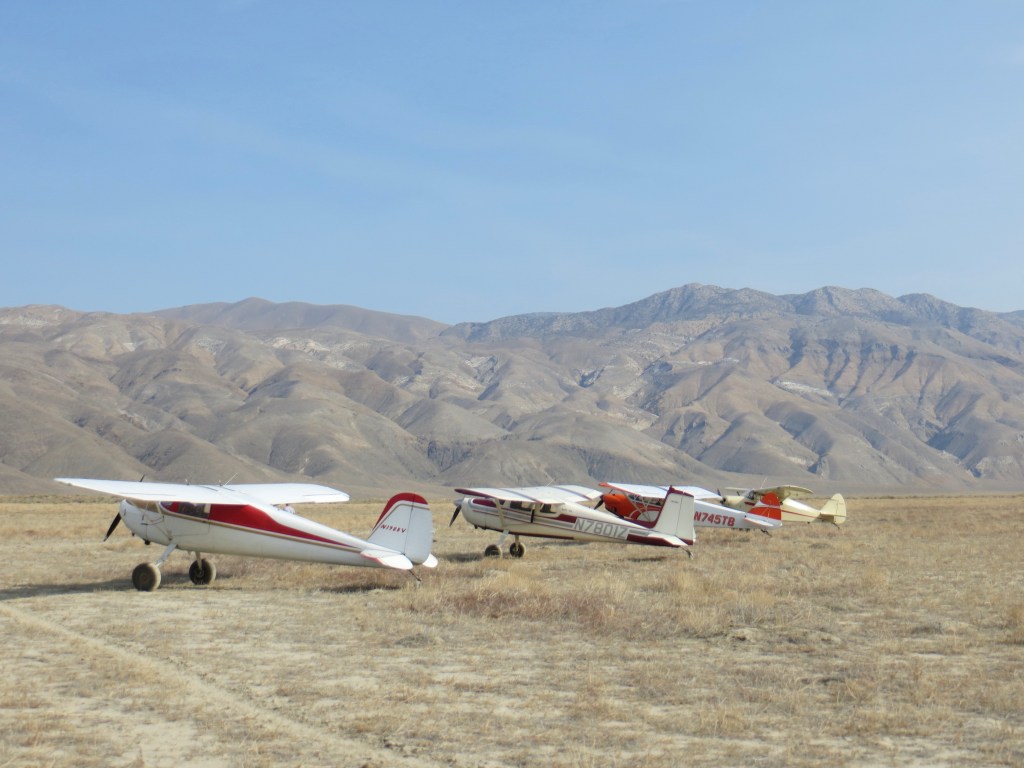
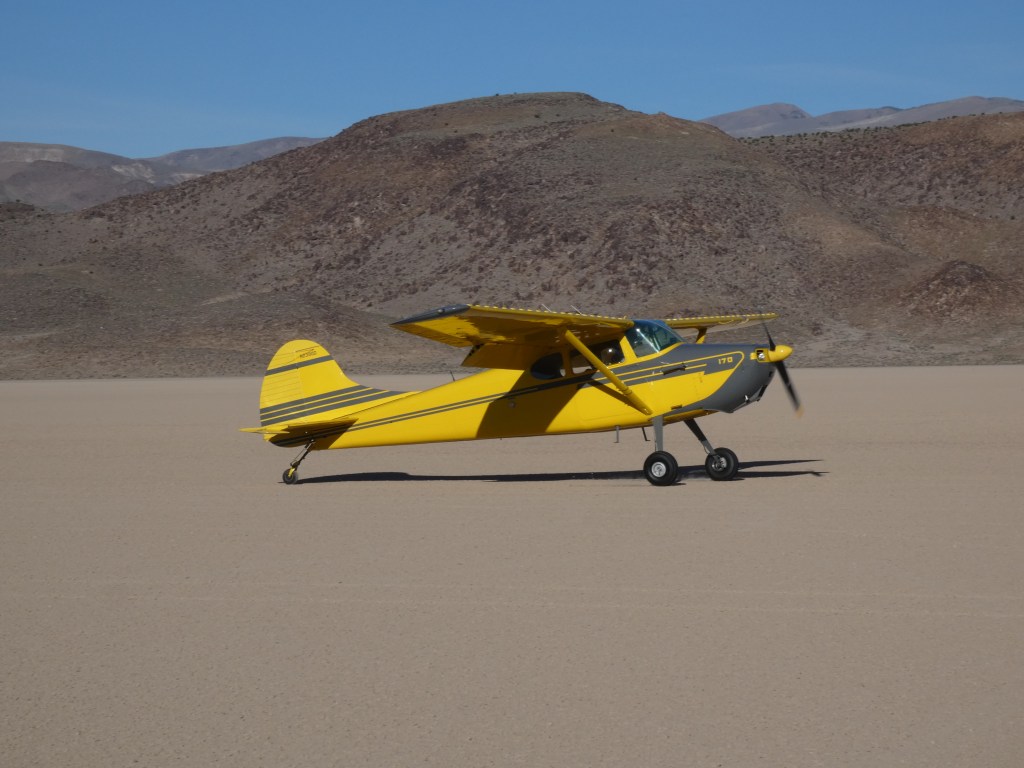
No – but you do need to bring a plane that you are comfortable with getting dirty, incurring wear-and-tear, and operating on surfaces that are not nearly as smooth as a paved runway. This event has traditionally been attended by a very high percentage of stock traditional GA planes primarily of the “entry-level” categories (Cubs, Taylorcraft, Cessna 120/140/150/170/172/180/182/185, Pacers, Cherokees, Citabrias).
We do try to also host a pavement-only group for those that truly want to attend but are limited to pavement. This group will still have a fun adventure going to some unique places. In the online registration there are options to communicate that limitation.
As well, if you truly want to attend for the chance to get up and close to these sorts of flying adventures but don’t have the plane to do it with, there are often open seats on the fly-outs that you can try to take. In the online registration there are options to communicate that intent.
If you only want of attend and not be a part of the fly-outs, we ask that you consider visiting Lone Pine on a different occasion. This event is very popular and we want to reserve what space we can for pilots that intend to be as hands-on as possible with the fly-outs.
What do these backcountry airstrips look like?
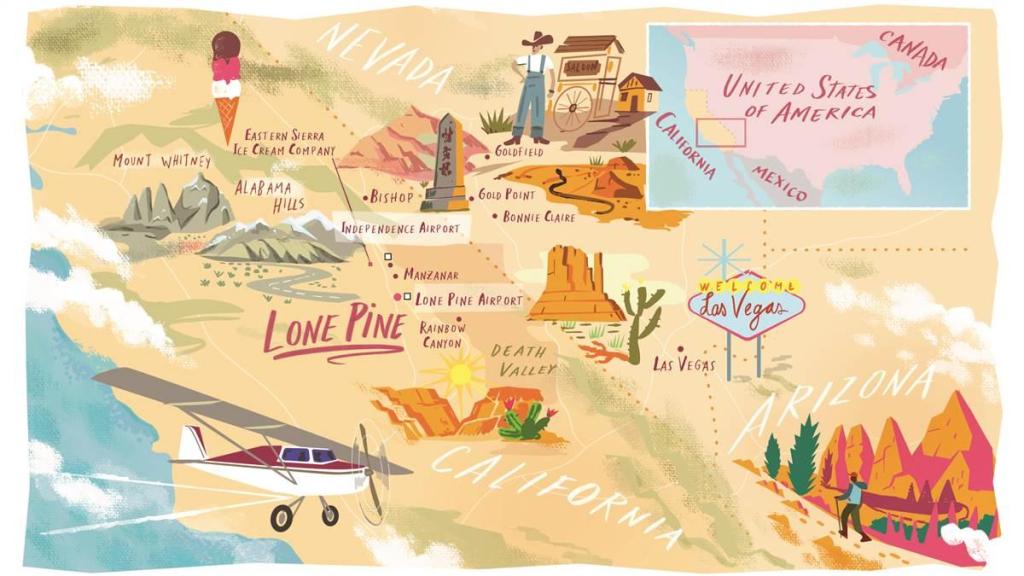
Below are a map and airfield guide for the airstrips that were on the lists for last year’s fly-outs. Based on current conditions, the list for 2025 will be adjusted accordingly.
Most all of these are simple dirt or gravel airstrips that were built in the 1940’s and 1950’s as part of the mining activities that used to cover the region. As such, they are all minimally maintained, largely left in a state of no-maintenance, and are relying on the docile climate of the desert to preserve them in a usable state. Being of dirt and gravel construction, care must be taken at all times to not damage propellers and other aircraft due to loose debris.
Elevations vary wildly as does the terrain in the region. Lengths of strips also vary from being ample to a bit tight. Thankfully, there are few tall trees in the desert, so rarely do any of these strips have obstacles.
How does the online registration and lottery process work?
Registering online allows filling out of a questionnaire to inform the organizers of each pilot’s experience, plane, capabilities, and interests. The registration process does allow for pilots to say they are part of a group, and the group can be considered as one “entry” for the lottery; maximum three aircraft to a group.
The number of volunteer Flight Leads available for the event determines how many pilots and planes the event can support. With that limit, a lottery system will be used to then select pilots and planes. A waiting list will also be prepared from the lottery to allow a chance to fill in spaces if there are any drop-outs ahead of the event.
All registrants will be informed of their status once the lottery has been ran.
 General Aviator